

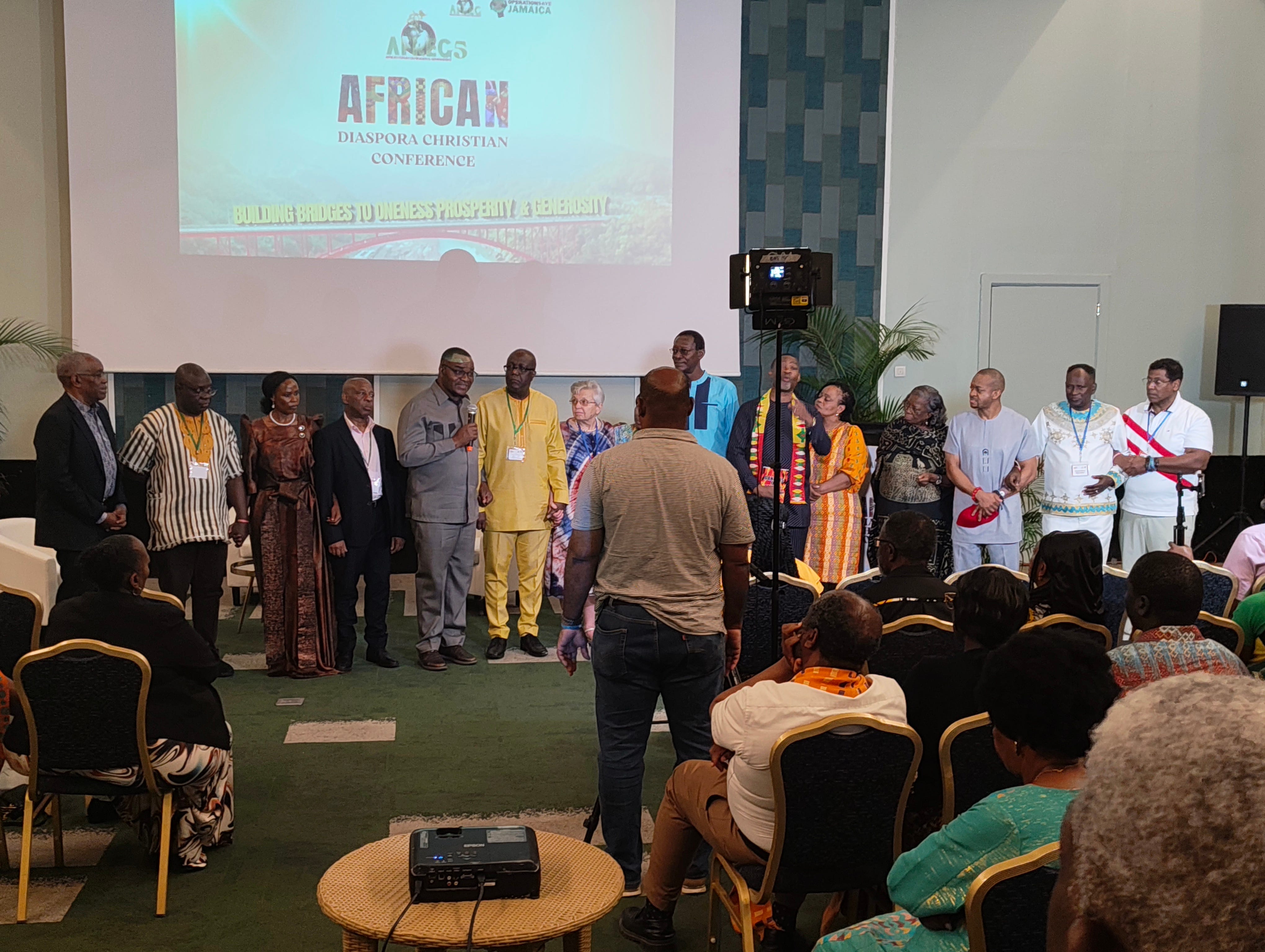
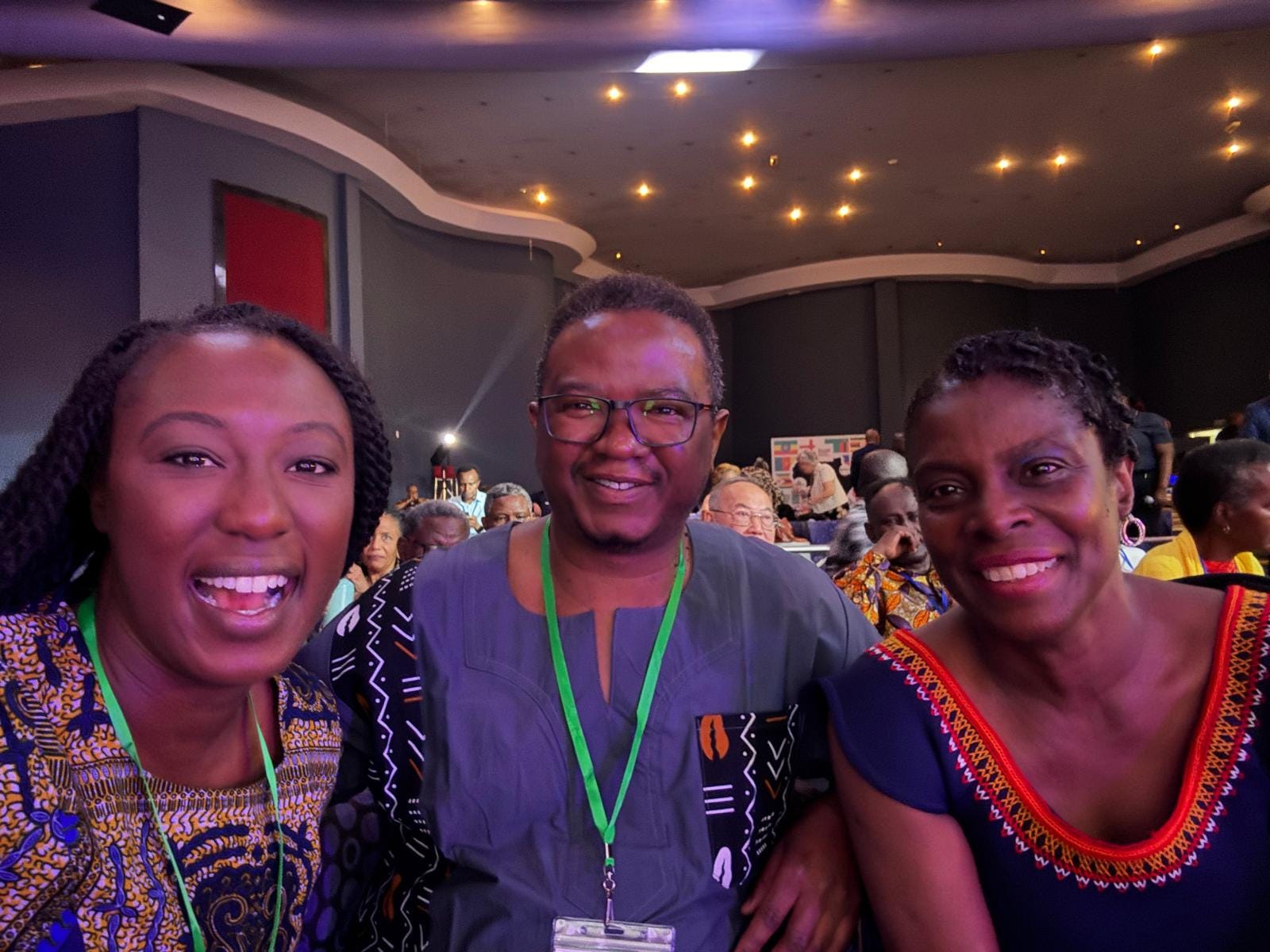
This Sunday, the Church celebrates Pentecost, and this week I keep finding myself thinking back to the recent AFReG gathering. In many ways, it felt like a small African Pentecost. Global Africa was in the room — Africans from the continent and the diaspora, people shaped by Lagos and London, Nairobi and Amsterdam, Johannesburg and Atlanta, Accra and Birmingham, Kingston and Toronto. There were different accents, different worship traditions, different theological instincts, different migration stories, and different ecclesial backgrounds. And yet, despite all the complexity, there was a deep sense of recognition and spiritual belonging. Not sameness. Recognition. It reminded me that one of the great miracles of Pentecost was not the erasure of difference, but the creation of communion across difference through the Holy Spirit.
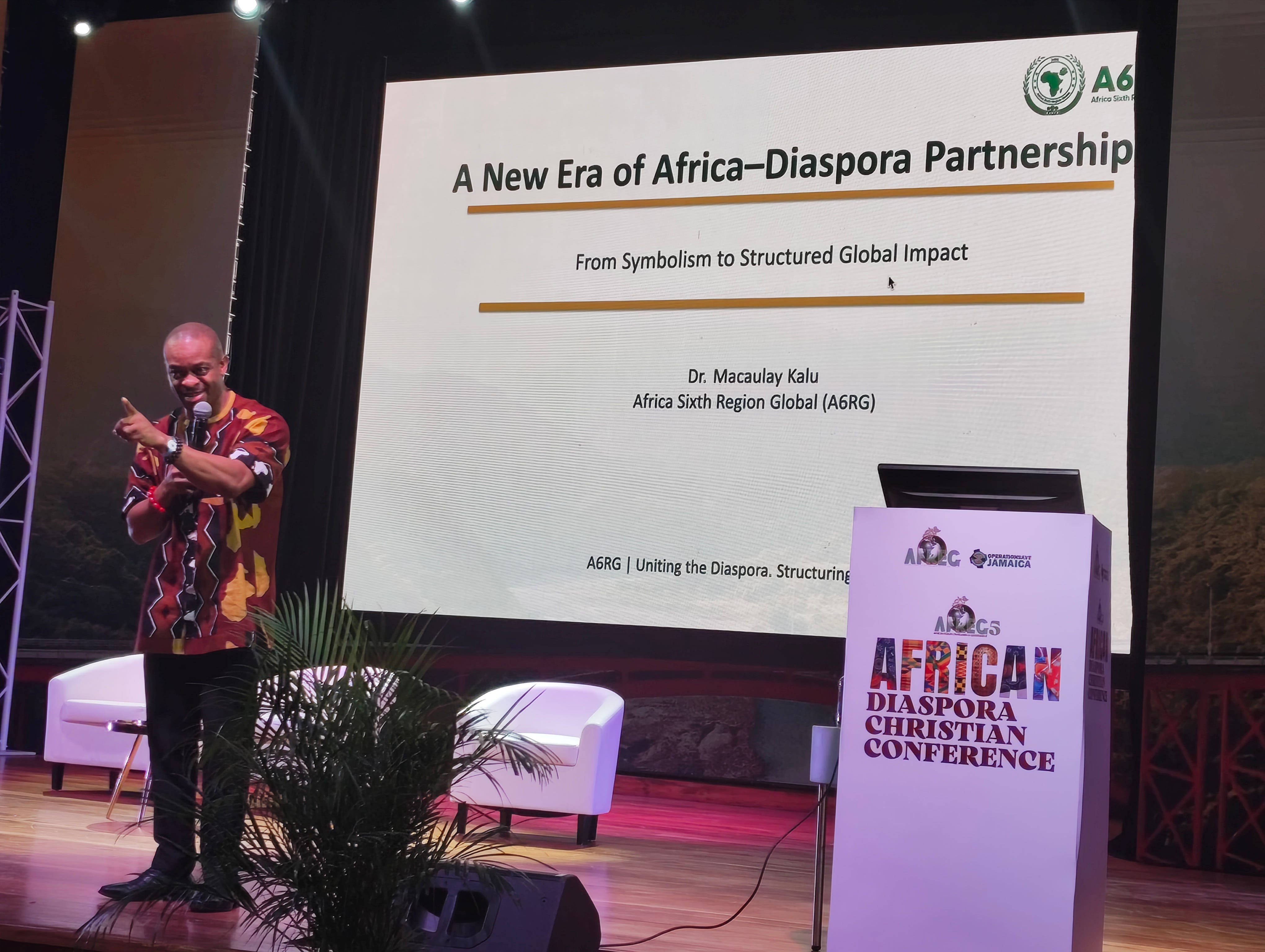
What struck me especially was the visible presence of what the African Union often calls Africa’s “sixth region” — the African diaspora. At AFReG, the sixth region was not an abstract political idea but a living spiritual reality. Africans scattered across the nations were gathering, thinking, praying, worshipping, and imagining together. There was something profoundly hopeful about seeing continental Africa and diasporic Africa in conversation with one another — not separated by geography, but connected by memory, faith, struggle, migration, and hope. It felt like a glimpse of a new kind of African Christian future emerging across borders.
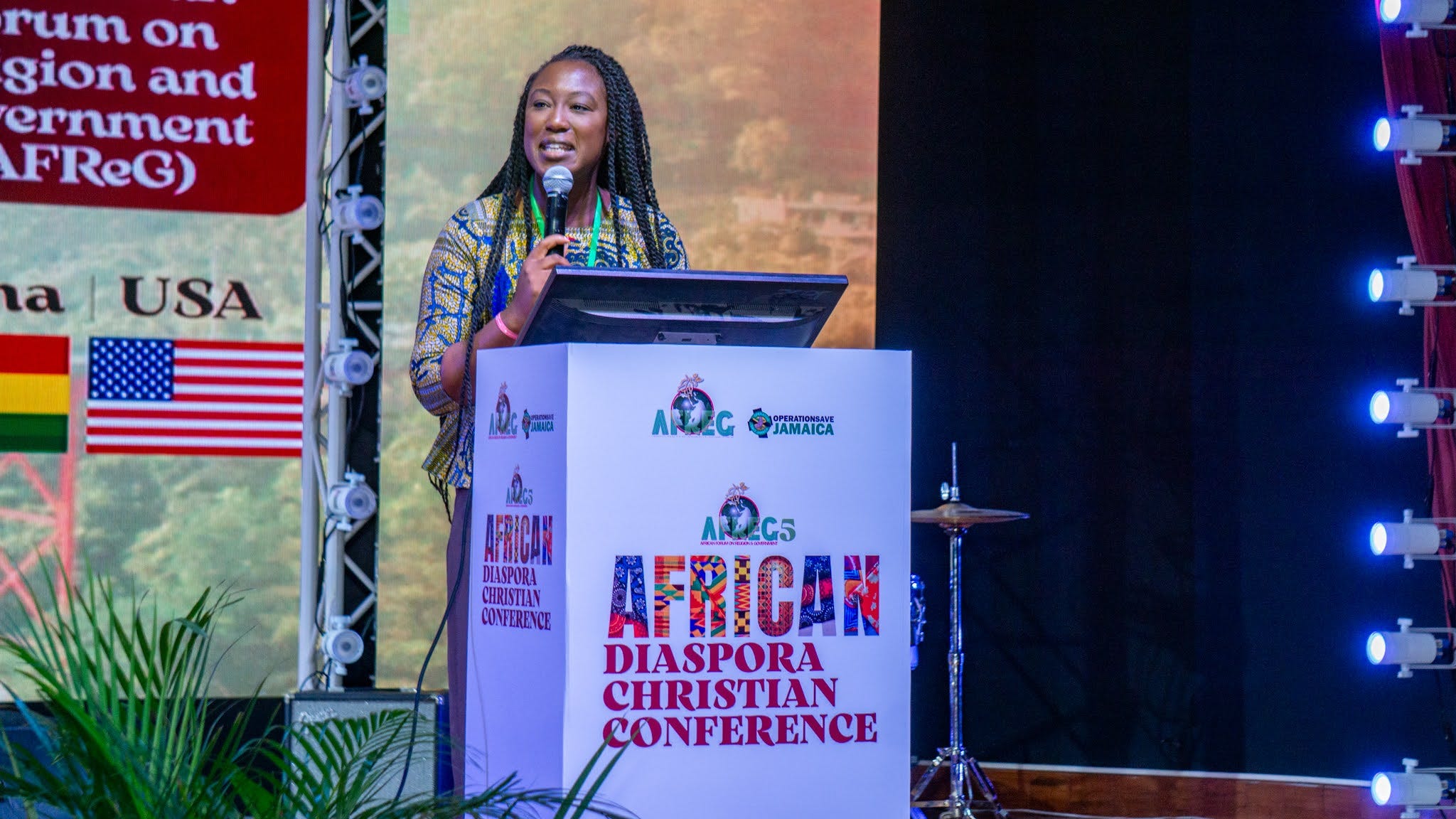
I was also deeply struck by the presence and leadership of African women throughout the gathering. Not at the margins, but helping shape the conversation itself. Women were leading, questioning, challenging, praying, interpreting, and imagining the future of African mission with remarkable clarity and spiritual authority. In many ways, this too felt profoundly Pentecostal. The Spirit of Pentecost consistently disrupts systems that silence voices and concentrate authority. Across the history of African Christianity, women have carried enormous parts of the Church’s spiritual life — praying, discipling, sustaining communities, preserving faith, and often holding churches together under immense pressure — even when formal structures failed to recognise them fully. At AFReG, there was a quiet but unmistakable sense that African women are not merely supporting the future of mission; they are helping define it.
Pentecost in Acts of the Apostles 2 is often reduced to a story about ecstatic experience or spiritual gifts. But Pentecost was also profoundly missional. The coming of the Spirit marks the moment when the mission of God breaks decisively beyond ethnic, linguistic, geographic, and cultural boundaries. The miracle was not that everybody suddenly spoke one language. The miracle was that nobody had to abandon their language to encounter God. People heard the wonders of God in their own tongues. That matters because empire has always depended upon the opposite principle. Empire survives by creating one dominant centre — one superior culture, one normative language, one acceptable civilisation, one group that defines reality for everyone else. Babel sought unity through control and sameness. Pentecost created unity through the Holy Spirit amid diversity. The Spirit shattered the assumption that God belongs to one people alone.
This is why Pentecost remains deeply threatening to every form of Christian supremacy. It confronts racial supremacy, cultural supremacy, national supremacy, and even theological supremacy when theology becomes a mechanism for controlling others rather than worshipping God. For centuries, parts of Christian mission became entangled with imperial assumptions. Christianity was exported not only with the gospel, but with European culture, European power, European notions of civilisation, and often European superiority itself. To become Christian frequently meant becoming culturally Western. But Pentecost stands as God’s judgment against every attempt to imprison Christianity inside one civilisation. The Holy Spirit refuses monocultural Christianity because the Spirit is missionary by nature. The Spirit is always moving outward — crossing borders, unsettling centres of power, creating encounter, sending the Church beyond itself, and forming a people drawn from many tongues and nations.
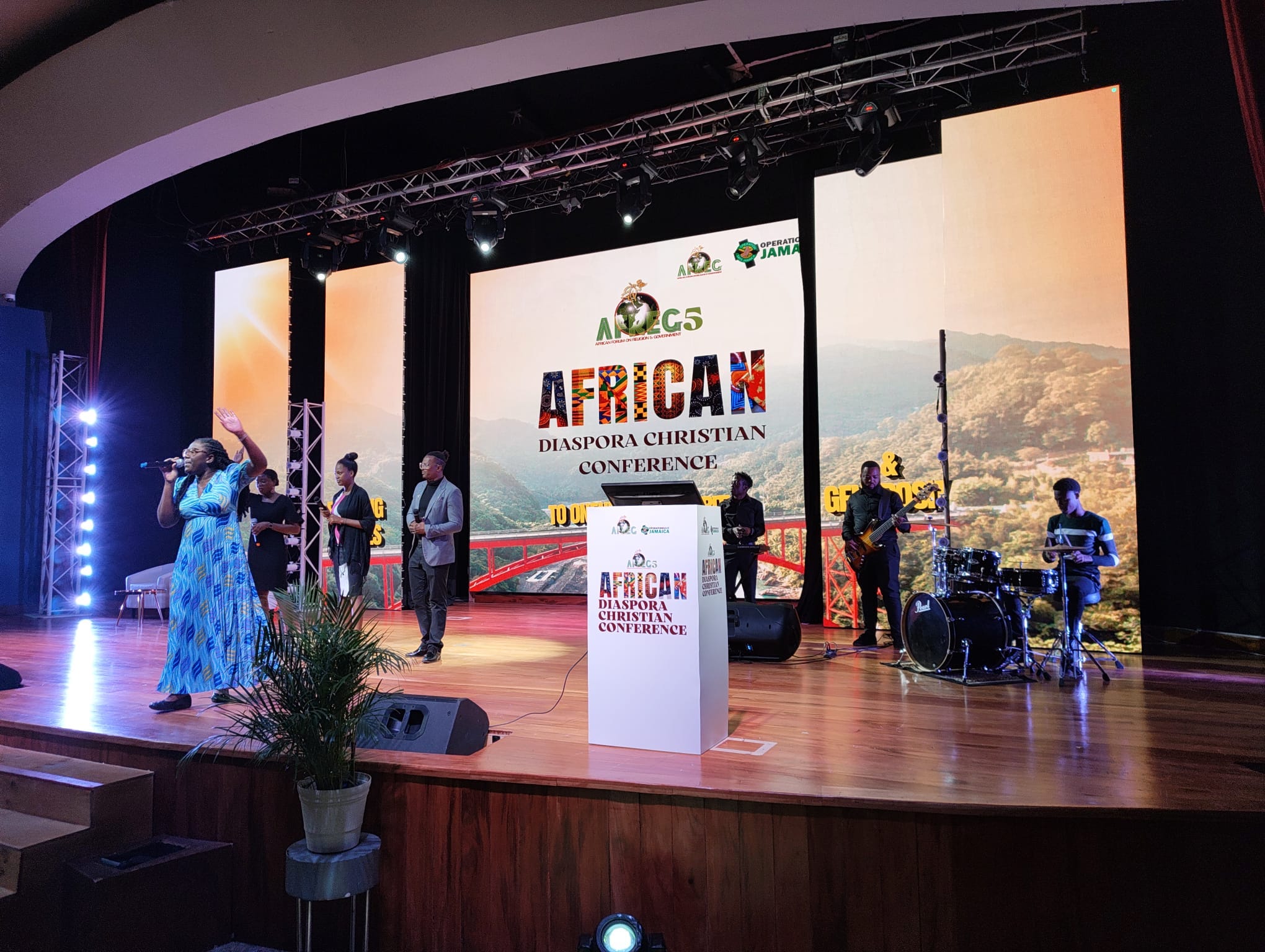
Perhaps this is one reason African Christianity matters so profoundly at this moment in history. African Christianity emerged historically under the shadow of colonial mission, yet today African Christians are helping reshape global Christianity itself. The irony is extraordinary: the very peoples once treated primarily as mission fields are now among the peoples revitalising mission globally. At AFReG, I sensed that African mission thinking is becoming increasingly confident in its own voice. Not merely reacting against the West, nor seeking Western approval, but wrestling seriously with migration, discipleship, race, postcolonialism, spirituality, economics, justice, identity, and the future of the Church itself. And underneath much of the conversation was a deeply Pentecostal conviction that mission ultimately belongs to the Spirit — not to institutions, not to empires, not to denominations, and not to nations. The Spirit is not simply the energy of mission. The Spirit is the author of mission.
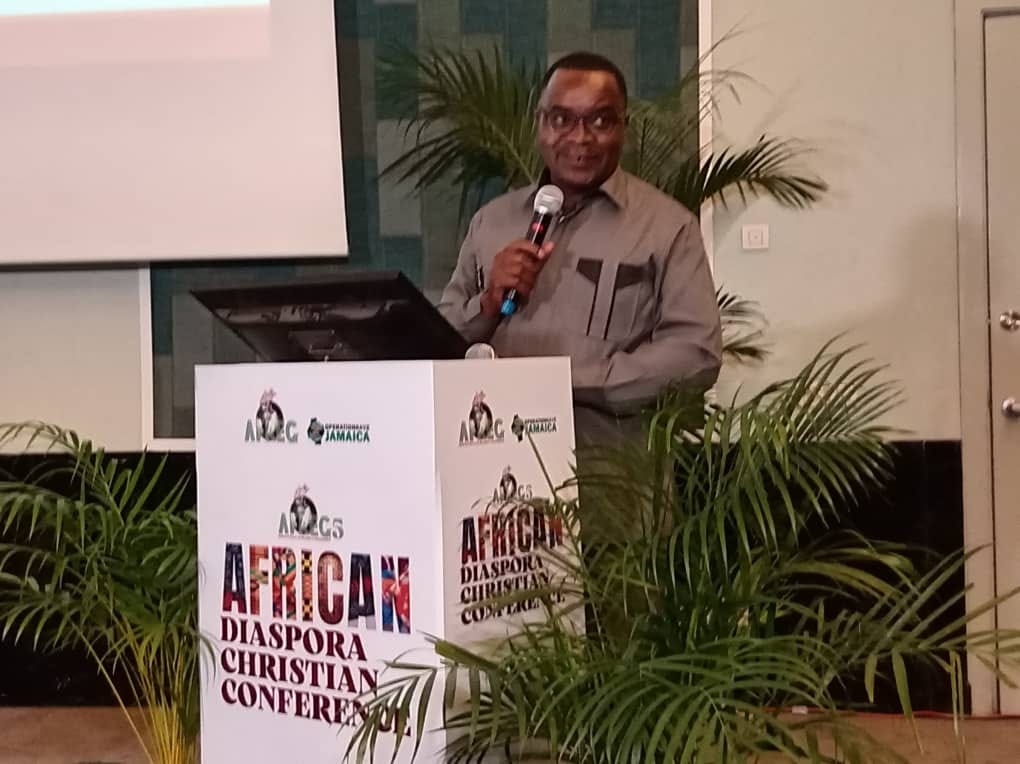
I also came away reflecting on the enormous missional and developmental significance of the African diaspora itself. Too often, migration is discussed only in terms of crisis, brain drain, or social anxiety. But what if the African diaspora is also one of the Spirit’s instruments for the renewal of Africa and the wider world? Across the globe, Africans in the diaspora are building churches, creating businesses, funding schools, supporting families, sending remittances, shaping intellectual life, influencing politics, and carrying new forms of theological imagination. The current scattering of African peoples may yet become one of the great redemptive movements of this century — not only revitalising Christianity globally, but also contributing to the uplift, reconstruction, and reimagining of Africa itself. Pentecost reminds us that when people move, the Spirit moves too.
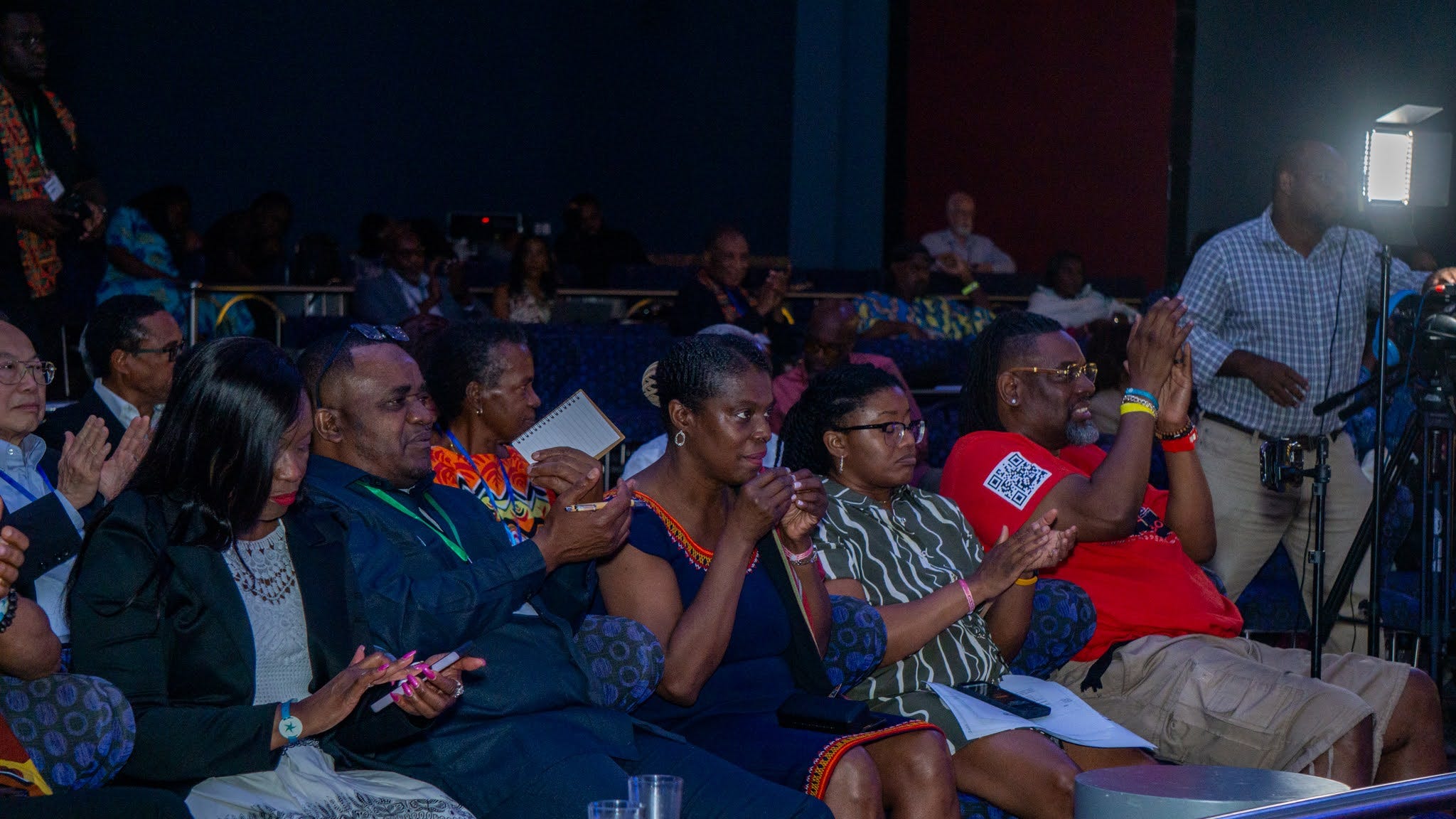
What encouraged me most was the atmosphere of expectancy. In many parts of the world, Christianity is becoming anxious, defensive, nationalistic, and culturally fragile. Too often, the Church sounds afraid of demographic change, afraid of migration, afraid of plurality itself. But AFReG felt different. It felt like a gathering of people who still believe that the Holy Spirit is alive enough to create new Christian futures through migration, encounter, plurality, and unexpected voices. This Pentecost, I find myself praying that the Church would recover the courage of Acts 2: the courage to become multilingual again, multicultural again, Spirit-dependent again — and humble enough to recognise that the future of Christianity may already be emerging from places and peoples the old centres of power once overlooked. Perhaps Pentecost was never simply an event in the past. Perhaps it is the ongoing refusal of the Holy Spirit to allow Christianity to belong permanently to any empire, race, nation, or culture.
Decolonizing Mission, African Edition
We are delighted that we now have enough funding in place to begin printing the African Edition of Decolonizing Mission in Kenya early next month. This is a deeply significant milestone for us, because from the very beginning, one of my greatest hopes has been to see the book become genuinely accessible across the African continent rather than remaining largely confined to expensive Western publishing markets. At the same time, we are continuing to raise funds in order to expand printing and distribution further across Africa. Our hope is to make the book available to pastors, church leaders, teachers, theological students, and mission practitioners across multiple African contexts at prices that are genuinely affordable. We already have printers prepared and conversations underway regarding wider regional distribution.
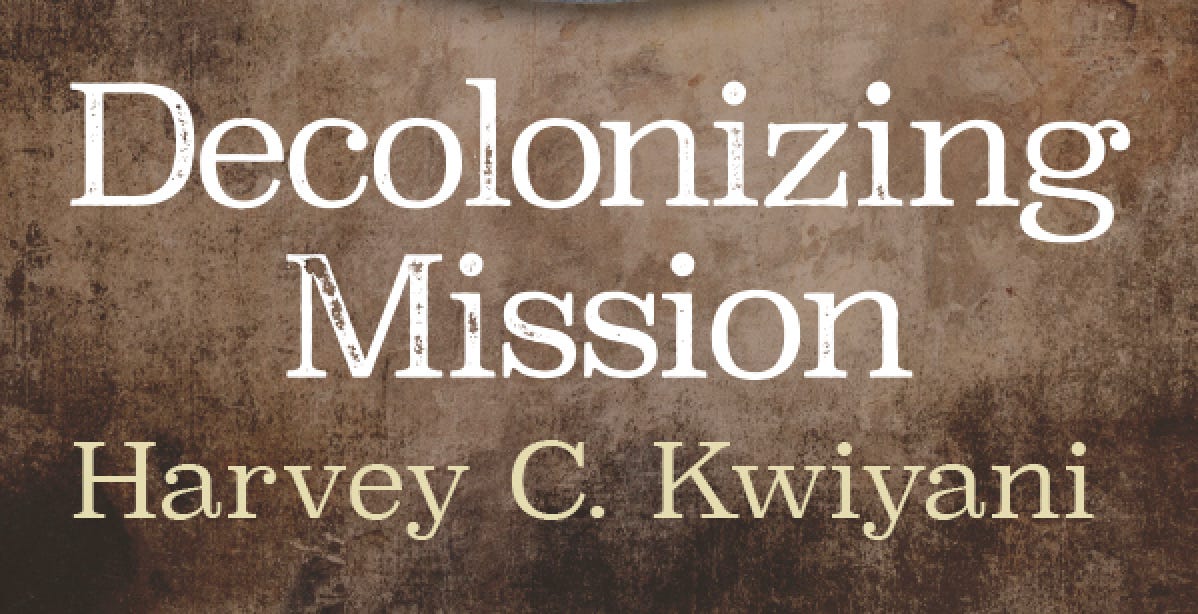
My desire has always been that Decolonizing Mission would be read, engaged, discussed, and even contested within the very contexts where the questions it raises are not abstract academic debates but lived realities — places where the long entanglement of mission, colonialism, race, culture, and power continues to shape both church and society in profound ways.
At heart, this project is about access, participation, and theological agency. Too often, important theological conversations remain inaccessible because of cost, geography, or publishing structures that exclude much of the global Church. I would like this book to contribute, in however small a way, to the ongoing work of resourcing and strengthening the Church in Africa — not as an external voice speaking downwards, but as part of a shared global conversation in which African Christians themselves must remain central participants and theological contributors.
Every contribution, however small, makes a real difference in moving this forward. If you would like to support this effort, you can do so here: https://gofund.me/756ce0302.
Thank you.